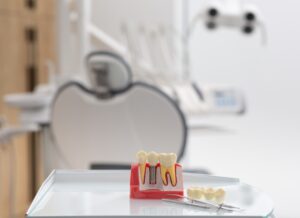
Tooth work can mean many different dental treatments that help you keep or replace teeth, relieve pain, and restore how your mouth works. This guide explains what “tooth work” covers, when to seek care, and the main options—from simple fillings to dental implants. You’ll get clear pros and cons, what to expect during treatment, and questions to ask your dentist. If you live near Everett, this article also explains how coordinated care makes more complex tooth work in Everett easier to manage.
What “Tooth Work” Covers
Common tooth work includes fillings, crowns, root canals, extractions, bridges, dentures, and dental implants. Some procedures are restorative (fix damaged teeth), some are cosmetic (improve how teeth look), and some are surgical (remove teeth or place implants). Simple tooth work like fillings often takes one visit. More complex tooth work in Everett, like full-arch restorations, can involve several steps and different specialists.
Signs You May Need Tooth Work
Watch for red flags: ongoing tooth pain, sudden sensitivity to hot or cold, visible cracks or chips, loose or missing teeth, trouble chewing, swollen or bleeding gums, or bad breath that won’t go away. If you have severe pain, fever, or swelling that affects your face or breathing, get seen right away. For other warning signs, schedule an exam so small issues don’t become bigger tooth work in Everett later.
Dental Implants: A Core Tooth Work Option
A dental implant replaces a missing tooth root with a small titanium post placed in the jaw. A crown, bridge, or denture attaches to the posts. Benefits of implant tooth work include strong bite force, preserved jawbone, and a natural feel compared with removable dentures. Good candidates for dental implant tooth work are people with healthy gums, enough bone, and overall good health. Smoking, uncontrolled diabetes, or severe bone loss can mean extra steps like bone grafting before implant work.
Types of Implant Restorations
Single-tooth crowns: replace one missing tooth with an implant and crown. Implant-supported bridges: replace several teeth in a row without altering adjacent healthy teeth. Full-arch restorations (All-on-4 and similar): replace a full set of upper or lower teeth using a few implants to support a fixed prosthesis. Implant restorations can last decades with good care; implants often outlast bridges and dentures but require regular hygiene and check-ups. Expect routine maintenance and occasional restorations to the crowns or prosthesis.
Other Tooth Work Options: Pros and Cons
Bridges and crowns: Pros—faster, usually fewer surgeries, and lower up-front cost than implants. Cons—may require reshaping adjacent healthy teeth and can be less durable long-term. Dentures: Pros—affordable, non-surgical, replace many teeth at once. Cons—can slip, need refitting, and may reduce bite strength. Root canals and fillings: Pros—preserve your natural tooth and can stop pain or infection. Cons—sometimes tooth needs a crown afterward; failing to restore a tooth after root canal can lead to fractures. Choosing among these depends on your goals, budget, and how much natural tooth you want to keep.
What to Expect During Tooth Work Treatment
Most treatments begin with an exam and imaging. Simple tooth work like fillings or crowns may need just one or two visits: diagnosis, preparation, and place the restoration. Complex treatments like implants typically involve planning, possible bone grafting, implant placement, healing time (osseointegration), and then final restoration. Recovery varies: fillings have little down time, while implant surgery can mean a few days of soreness. Follow-up visits confirm healing and fit.
How Modern Tools Improve Tooth Work
Digital x-rays, 3D imaging, and precise planning tools make tooth work safer and more predictable. Same-day crown technology and advanced imaging reduce time in the chair and improve fit. These tools let dentists plan implant positions more accurately and avoid surprises during treatment. Using modern diagnostics helps tailor tooth work to each patient’s needs without changing the basic steps of care.
How to Choose the Right Tooth Work for You
Consider overall oral health, budget, timeline, and appearance goals. Ask your dentist: What are my options? What are the risks and benefits of each? How long will recovery take? What will this cost now and in the long run? Do you offer warranties or guarantees on restorations? How many similar procedures has the dentist performed? Also mention any medical conditions and medications you take—these can affect treatment choice and healing.
About Care Teams Who Handle Complex Tooth Work
Patients often benefit when general dentists and specialists work together. A team approach means one provider can restore teeth while a periodontist or oral surgeon handles implants and gum surgery. That coordination reduces delays and keeps care consistent. For complex tooth work in Everett, having implant planning, grafting, and final restorations managed under one roof shortens timelines and improves communication.
Why Avenue Dental Care for Tooth Work
Avenue Dental Care is a family-owned practice serving Everett and Puyallup. The team is led by Drs. Varun and Arpita Sharma and includes Dr. Vikas Puri, a board-certified periodontist, so many complex tooth work procedures can be done with coordinated care. The office uses CBCT and digital x-rays for planning, CEREC same-day crowns, photogrammetry and an on-site lab for precise restorations, and PRF bone grafting when needed. That combination helps patients get efficient, high-quality care with fewer handoffs.
Practical Next Steps
Prepare for an appointment by bringing any medical and dental history, photos of the area of concern, a list of medications, and your insurance details. Expect an exam, imaging, and a treatment plan that outlines options, costs, and timelines. Ask about financing and emergency procedures. If you need urgent care, call your dental office for faster triage. Tooth work covers a wide range of treatments that protect health, restore function, and improve smiles. If you’re weighing options, schedule a consult to review what fits your needs, timeline, and budget. A short visit can clarify the best path forward and answer common patient questions about next steps.