Losing one or more teeth can change how you eat, speak, and feel about your smile. If you’re searching for a long-term missing teeth fix, dental implants are often the most reliable option. This article explains why missing teeth matter, the choices you have, how implants work, and what to expect. By the end you’ll know whether implants might be the right permanent missing teeth fix for you.
Why Missing Teeth Matter
Missing teeth can cause immediate problems like trouble chewing, drooling, or feeling self-conscious when you smile. Over time, missing teeth can lead to jawbone loss where the tooth used to be. That bone loss can change your face shape, make nearby teeth shift, and alter your bite. These changes can cause more tooth damage, more tooth loss, and even jaw pain or TMJ problems if left untreated.
Common Options For Replacing Teeth
Dentures: Removable and usually the least expensive option. Pros: lower upfront cost, quick way to replace multiple teeth. Cons: can slip, affect taste, require daily cleaning, and don’t stop bone loss. Bridges: Fixed in the mouth and replace one or a few teeth by using adjacent teeth as anchors. Pros: feel natural and are stable. Cons: requires grinding healthy teeth and doesn’t prevent bone loss under the missing tooth. Implants: Surgical posts placed in the jaw that hold crowns, bridges, or dentures. Pros: preserve bone, feel and function like natural teeth, long-lasting. Cons: higher upfront cost and requires surgery and healing time.
Why Dental Implants Are A Permanent Missing Teeth Fix
Dental implants are considered permanent because they replace both the tooth and its root. A titanium post is placed in the jaw and bonds with bone through osseointegration, creating a stable base. A crown or bridge is then attached to that post. Unlike removable options, implants are fixed in your mouth and designed to function like natural teeth. They typically feel more natural, allow stronger chewing, and help keep the jawbone healthy.
How Dental Implants Work
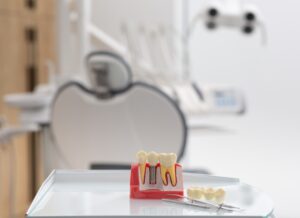
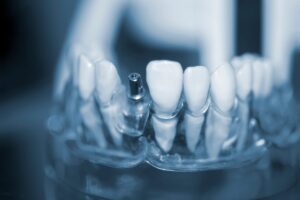
An implant restoration has three main parts: the implant (a titanium post), the abutment (a connector), and the crown (the visible tooth). During surgery, the implant is placed into the jawbone. Over a few months the bone grows around the implant and locks it in place. Once healed, the abutment and crown are attached, giving you a stable tooth that you care for like a real one.
Benefits Over Dentures and Bridges
Chewing strength: Implants restore much of your natural bite force, making it easier to eat a variety of foods. Bone preservation: Because the implant acts like a root, it stimulates the jawbone and slows or stops bone loss. No harm to adjacent teeth: Bridges often need healthy teeth filed down; implants don’t affect neighboring teeth. Speech and comfort: Implants don’t shift like some dentures, improving speech and comfort. Longevity: With good care, implants often last decades; crowns may need replacing, but the implant can be permanent.
Who Is A Good Candidate For Implants
Good candidates are generally in good health, have healthy gums, and enough jawbone to support an implant. Non-smokers or those willing to quit have better success rates. Chronic conditions like diabetes or immune disorders should be well controlled before surgery. A dentist or oral surgeon will evaluate your mouth, take X-rays or a CBCT scan, and review your medical history to determine if implants are right for you.
What To Expect During The Implant Process
The process starts with an exam and imaging. The implant surgery usually involves placing the post into the bone under local anesthesia. You can expect some swelling and mild discomfort for a few days. Healing (osseointegration) typically takes 3–6 months depending on the site and health. After healing, an abutment is placed and a custom crown is made and attached. Most patients return to normal eating and cleaning routines after the final crown is placed.
Possible Risks And How They’re Managed
Risks include infection, implant failure, and, rarely, nerve or sinus issues. Dentists reduce risks with careful planning, imaging, sterile technique, and sometimes a short course of antibiotics. Smoking increases failure risk, so quitting is strongly advised. If complications occur, they can often be treated or the implant replaced.
Cost, Insurance, And Financing
Cost varies by the number of implants, need for bone grafts or extractions, implant brand, and lab fees for crowns. Single-tooth implants are more expensive up front than bridges but may be more cost-effective long term. Dental insurance sometimes covers part of the crown or surgery, but many plans exclude implants. Many practices offer financing, in-house payment plans, or third-party medical financing to help spread costs.
How To Choose The Right Provider For A Missing Teeth Fix
Ask about the clinician’s training and how many implants they place each year. Request before-and-after photos of similar cases. Confirm they use modern imaging like CBCT for planning. Read patient reviews and ask about follow-up care and warranties on implant work. A team that coordinates between surgeon and restorative dentist often achieves the best results.
Looking For A Reliable Missing Teeth Fix?
Our practice has experience restoring smiles with implant crowns, implant-supported bridges, and full-arch implant dentures. We use modern imaging and work with experienced surgeons to plan each case. If you want to know whether dental implants are the right missing teeth fix for you, schedule a consultation to review your health, imaging, and options.
Dental implants offer a durable, natural-feeling missing teeth fix that preserves bone, protects nearby teeth, and restores function. While they require surgery and a larger initial cost, many patients find implants the best long-term choice for single or multiple missing teeth. Book a consultation to learn whether implants fit your needs and health.